

DMC Cable TV : ค้นหาหนังสือธรรมะ หน้า 624 / 652
หน้าหนังสือทั้งหมด
190
Bahiya and Konḍañña: Paths to Enlightenment
With those words alone, Bahiya was able to become an arahat. However, there are those, both in Thailand and abroad who look at examples such as that of Bahiya and come to the conclusion that you don't
This text delves into the spiritual journeys of Bahiya and Konḍañña, highlighting how Bahiya attained arahatship with minimal guidance, raising questions about the necessity of meditation for enlighte
192
The Importance of the Dhammacakkapavattana Sutta
the other teachings of the Buddha,the teachings of the arahants and the teachings of distinguished Buddhist teachers down to the present time are simply enlargements upon the Dhammacakkapavattana Sutt
บทความนี้กล่าวถึงความสำคัญของพระธรรมจักรปวตนสูตรซึ่งเป็นแผนหลักในการเข้าถึงการตรัสรู้ ภาพรวมของสอนต่างๆ ของพระพุทธองค์และพระอรหันต์ ต่อจากนี้ยังบอกเราถึงสาเหตุการเผยแผ่พระธรรมจักรปวตนสูตร และการที่พระ
195
The Buddha's First Sermon: A Journey of Enlightenment
just passed away seven days ago and would now have to spend an exceedingly long lifetime in the formless Brahma-world. He might not even have the chance to hear the teachings of the next Buddha, let a
This excerpt discusses the profound moment in the Buddha's life when he sought to teach meditation after renouncing worldly comforts. He encountered obstacles as potential disciples Udaka Rāmaputta an
200
The Middle Way and the Four Noble Truths
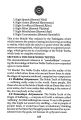
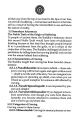
3. Right Speech [Sammā Vācā]
4. Right Action [Sammā Kammanta]
5. Right Livelihood [Sammā Ājīva]
6. Right Effort [Sammā Vāyāma]
7. Right Mindfulness [Sammā Sati]
8. Right Concentration [Sammā Samādhi]
This text discusses the Middle Way as taught by the Tathāgata, emphasizing the importance of Right Speech, Action, Livelihood, Effort, Mindfulness, and Concentration as a means to attain insight and e
202
The Noble Truth of the Origin of Suffering
all that way from the top of our head to the tips of our toes,
we are full of suffering — he had seen and known it for him-
self as a result of having the wherewithal to see and know
the nature of rea
The text delves into the Buddha's teachings on suffering, challenging ancient beliefs that linked suffering to divine punishment or fate. Instead, he identifies craving as the root cause of suffering,
203
Buddhist Teachings on Cessation of Suffering
सual realms of existence;
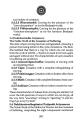
3.2.2.2 Bhavaṭanāḥ: Craving for the pleasure of the "form-absorptions" or for the Brahmā-world;
3.2.2.3 Vibhaṭanāḥ: Craving for the pleasure of the "formless-absorptions"
This text delves into the Buddhist concepts of craving and the cessation of suffering. It describes various forms of craving and how they lead to rebirth, as well as the Noble Truth of cessation where
204
The Noble Eightfold Path and Its Fruits
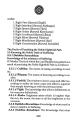
earlier:
1. Right View [Sammā Ditthi]
2. Right Intention [Sammā Saṅkappa]
3. Right Speech [Sammā Vāca]
4. Right Action [Sammā Kammanta]
5. Right Livelihood [Sammā Ājīva]
6. Right Effort [Sammā Vāyāma]
The Noble Eightfold Path consists of eight practices aimed at ethical and mental development, leading to enlightenment. The path includes Right View, Intention, Speech, Action, Livelihood, Effort, Min
205
Understanding the Noble Truths and the Path to Cessation of Suffering
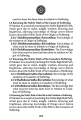
must be done has been done in relation to Suffering.
3.6 Knowing the Noble Truth of the Cause of Suffering
O! Monks! As a result of practising this Noble Eightfold Path, which gave rise to vision, ins
This text discusses the Noble Truths in Buddhism, specifically focusing on the knowledge related to the Origin of Suffering, the Cessation of Suffering, and the path leading to that cessation. Through
212
The Noble Truths of Suffering and Cessation
πεonæbhabikä <3.2.1.2> nandīrāga- one to one's here-and-now existence — and compries Craving for sensual pleasure; Craving for
sahagata <3.2.1.3> tatra taträ- the pleasure of the "form-absorptions"; C
This text discusses the Noble Truth of suffering (dukkha) and its cessation, emphasizing the importance of extinguishing craving to achieve liberation. It presents the Eightfold Path as the method to
215
The Tathāgata and the Cycle of Enlightenment
Yāva kivāñca me bhikkhave, imesu "O! Monks! If the Tathāgata had not fully com-
catusu ariyassaccevaṁ tiparivattaṁ completed these three cycles with their twelve com-
dvaḍasākāraṁ yathābhuṭṭaṁ nān
In this text, the Buddha addresses monks, emphasizing that he has fully completed the three cycles of truth, which affirms his status as a fully self-enlightened Buddha. He claims that this enlightenm
218
General Index of Meditation and Mindfulness Concepts
Appendix C:
General Index
absent-mindedness: overcome by meditation 124
absorption: factors 123, 129-132; of neither-perception-nor-non-perception 193; fifth 131; first 85, 123, 129; fourth 129; sec
This general index compiles significant terms and concepts related to meditation and mindfulness practices. It includes terms like absent-mindedness, absorption, and aggregates of clinging, helpful fo
220
Exploring the Path to Enlightenment in Buddhism
101; enlightenment mechanism, chanting, Dhammacakkapavattana explained by Dhammakaya 111; Sutta 10-11, 209-16 knowledge arising to reach enlightenment 140-1; practice 94, metaphors: dog and lion 94; g
This text delves into various aspects of Buddhism, focusing on the mechanisms of enlightenment through chanting and the Dhammacakkapavattana Sutta. The practices necessary for attaining enlightenment
224
Insights on Suffering and Enlightenment
execution, suffering of at death 68
Existence, Cycle of 9, 16, 37, 178, 185-6
extinction of craving, transcendental 100, 115, 175
Extinction of Suffering, Noble Truth of(see Cessation of Suffering, No
This text delves into pivotal Buddhist doctrines centered around suffering and enlightenment. It discusses the cycle of existence and the importance of overcoming craving. With references to meditativ
225
Metaphors and Teachings on Suffering and Generosity
gardener removing weeds by the house-[metaphor for body 65]: inscure, [metaphor for Buddha's practice 95]
generosity 132
ghosts, hungry 34: realm of the, suffering of birth in 63
gossip, malicious (se
This text delves into various Buddhist concepts, including the metaphor of a gardener removing weeds representing the body, and insights into craving, suffering, and the consequences of sensual indulg
226
Understanding Key Buddhist Concepts
Inention, Right (see Right Intention)
internment in the womb, suffering
irritation (see annoyance)
jealousy 50
jewel, wish-fulfilling - metaphor for Middle Way 39
jewel-knowing 110
joy 38, 123, 130
ka
This text delves into central Buddhist themes such as the nature of suffering, the importance of right intention, and the concept of liberation. Key metaphors like the jewel of knowledge and the lion
228
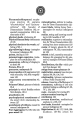
Understanding Nibbāna and the Noble Truths
natal wind 61
neighbourhood concentration 43,
neither-perception-nor-non-perception, absorption of 193
nibbāna, anupadisesa 21, 112, 114;
ayatana 21, 102, 112, 114; sa
upādisesa 21, 112, 113-4
Nirvana
This text delves into key concepts in Buddhist philosophy, particularly Nibbāna and the Noble Truths. It discusses the interrelation of teachings, the significance of practicing the Middle Way to atta
229
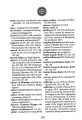
Exploring Key Buddhist Concepts and Practices
Phramonkothpumuni: emphasises practice 12; explains "dhammikāya" and "āyatannibbāna" 102; founder of Dhammakāya Tradition 102; respected commentarian 102-3; sixteen tasks of 207 physical deeds, wholes
This text delves into various aspects of Buddhist philosophy, focusing on the teachings and practices associated with the Dhammakāya Tradition founded by Phra Mongkothpumuni. It highlights the signifi
232
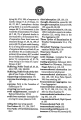
Exploration of Metaphors in Buddhist Philosophy
snake, poisonous, mistaken for rope spire, a palace - {metaphor for Mid-
- {metaphor for self-mortification dle Way 38-9} 36}
spouses, categories of 154-6
snake - {metaphor for craving 88}
sprite, ear
This text explores several metaphors used in Buddhist philosophy, including the snake as a metaphor for craving and its relationship to the concept of suffering. It further elaborates on the significa
233
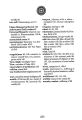
Exploring Suffering and Enlightenment in Buddhist Philosophy
dying 58, 67-9, 199; of exposure to third absorption 129, 130, 131
hateful things 71-2; of illness, 12, thought, discursive, sense 96, 100
46, 57, 66-7, {metaphors: donkey thought-conception: discursi
This text delves into the intricate themes of suffering and enlightenment within Buddhist teachings. It explores the various aspects of suffering, including its origins and manifestations, and the pat
234
Exploring Concepts of Wholesomeness and Worldliness in Buddhism
worldly 83
true self, Dhammakaya as 110
Udaka Rāmaputta Hermit 193
unfortunate [hell] realms 83
Universal Monarch: wheel of, comparable to Dhammacakka, 183-6; endowments 184
untouchable cast
This text delves into fundamental Buddhist concepts including the nature of wholesomeness, the implications of worldly wealth, and the consequences of unwholesome behavior. The idea of the Universal M